
Beyond Alarms: The Role of Rapid Response in UK Business Security
Beyond Alarms: The Role of Rapid Response in UK Business Security
In today's dynamic business environment, safeguarding your assets, premises, and personnel is paramount. While sophisticated alarm systems form the bedrock of many security strategies, their true value is unlocked only when combined with a swift, professional, and effective response. This article explores why rapid response services are not merely an add-on but an essential component of comprehensive business security in the UK.
The Limitations of Alarms Alone
An alarm bell, whether audible or silent, serves a crucial initial purpose: it signals a breach or potential threat. However, an alarm on its own is purely reactive. Without a timely and appropriate response, it acts as little more than an indicator of a problem, often after an incident has already begun. Here are some key limitations:
- Time is Critical: Intruders work quickly. The gap between an alarm activation and the arrival of a responder can be long enough for significant damage, theft, or even a full-scale robbery to occur. Every minute counts when an incident is unfolding.
- Police Prioritisation: While the police provide invaluable public service, their resources are stretched. Alarm activations, particularly those without visual verification or immediate confirmation of a crime in progress, may not always receive the highest priority response, especially if false alarms are a recurring issue.
- False Alarms: Environmental factors, equipment malfunctions, or human error can trigger false alarms. These not only divert police resources but can also lead to complacency if not handled professionally, diminishing the perceived urgency of genuine incidents.
- Lack of Immediate Action: An alarm simply alerts. It doesn't deter an active threat, assess the situation, secure the premises, or provide vital information to emergency services upon their arrival. This gap leaves your property vulnerable during critical moments.
What Constitutes Effective Rapid Response?
Effective rapid response goes far beyond simply attending an alarm. It is a highly coordinated service designed to mitigate risks and protect your business proactively and reactively. Key elements include:
- Speed of Deployment: Professional security companies strategically position response units to ensure the quickest possible arrival at your premises following an alarm activation. This minimises the window of opportunity for criminals.
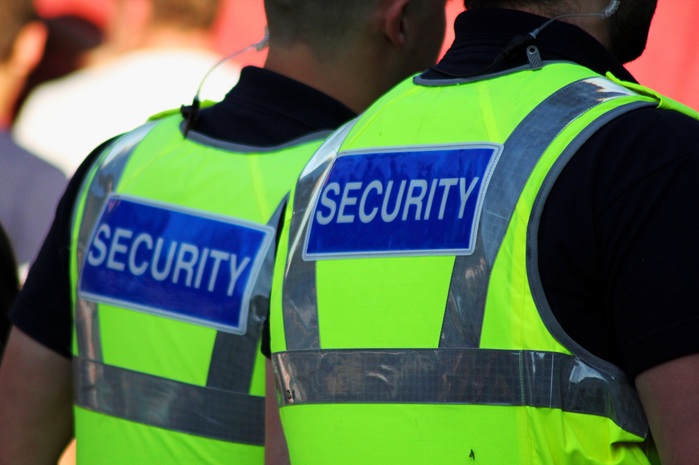
- Highly Trained Personnel: Responders are often SIA (Security Industry Authority) licensed security officers. They are trained not just in physical intervention but also in threat assessment, incident management, first aid, and effective communication with emergency services. Their expertise allows them to evaluate the situation safely and accurately.
- Local Knowledge and Preparedness: A reliable rapid response team will have pre-existing knowledge of your site's layout, entry points, vulnerabilities, and specific security protocols. This allows them to approach the situation with informed caution and efficiency.
- Verification and Action: Upon arrival, the team's priority is to verify the nature of the alarm. If an intrusion is confirmed, they can take immediate action to deter further activity, secure the perimeter, and notify the police with accurate, real-time information.
- Post-Incident Management: Beyond the immediate response, they can manage the aftermath, including securing the site, liaising with police, and ensuring that any necessary repairs or security adjustments are promptly made to restore peace of mind and operational continuity.
The Tangible Benefits for UK Businesses
Integrating a robust rapid response service offers a multitude of benefits that extend far beyond simply reacting to an alarm:
- Minimised Loss and Damage: The most immediate benefit is the reduction in potential theft, vandalism, and property damage. A swift response can often interrupt criminal activity before significant harm is done.
- Enhanced Safety for Personnel: For businesses with staff on-site, a rapid response team provides a critical layer of protection, ensuring that trained professionals are on hand to manage potential threats to human safety.
- Reduced Business Disruption: By promptly addressing security breaches, rapid response helps to limit downtime and operational interruptions, allowing your business to recover faster and maintain continuity.
- Stronger Deterrent: The knowledge that a professional rapid response team is protecting your premises acts as a powerful deterrent to potential criminals. Visible patrols and rapid response vehicles reinforce this message.
- Peace of Mind: Business owners and managers gain immense peace of mind knowing that their security system is backed by human intervention, especially outside of regular working hours.
- Potential Insurance Advantages: Many insurance providers view robust rapid response as a significant risk mitigation factor, which can potentially lead to more favourable policy terms or lower premiums.
- Compliance and Due Diligence: For many sectors, demonstrating comprehensive security measures, including rapid response, is part of meeting regulatory compliance and fulfilling due diligence obligations.
Integrating Rapid Response into Your Security Strategy
To maximise the effectiveness of rapid response, it should be seamlessly integrated into your overall security strategy. Consider these points when evaluating or implementing a service:
- Assess Your Needs: Every business is unique. A thorough security audit will help identify specific vulnerabilities and determine the optimal level of rapid response coverage required.
- Choose a Reputable Provider: Select a security company with a proven track record, SIA-licensed officers, comprehensive insurance, and transparent service level agreements. Look for providers with strong local presence and quick deployment capabilities.
- Regular Communication and Review: Maintain an open dialogue with your security provider. Regular reviews of your security plan ensure it remains effective as your business evolves or new threats emerge.
- Seamless Integration with Existing Systems: Ensure the rapid response service integrates smoothly with your existing alarm, CCTV, and access control systems for a holistic approach to security.
- Key Holding Services: Often, rapid response is coupled with professional key holding services, meaning a trusted third party holds keys to your premises and attends alarm call-outs, removing the burden and risk from your staff. You can learn more about how key holding services enhance security on our security blog.
In conclusion, while an alarm system is undoubtedly a crucial first line of defence, its efficacy is dramatically enhanced when paired with a professional rapid response service. For UK businesses, this partnership transforms a simple alert into a proactive and decisive security measure, protecting against loss, ensuring continuity, and providing invaluable peace of mind. Investing in rapid response isn't just about reacting to threats; it's about building a resilient, secure future for your business.
← Back to Blog