
How to Improve Security at Shared Office Entrances
How to Improve Security at Shared Office Entrances
Shared office buildings offer numerous benefits, from cost-efficiency to networking opportunities. However, the presence of multiple organisations under one roof, often sharing a single main entrance, can present unique security challenges. Ensuring robust protection for all tenants, their employees, and assets requires a strategic and comprehensive approach. This article explores key strategies to fortify security at shared office entrances, fostering a safe and secure environment for everyone.
Understanding the Unique Challenges of Shared Entrances
The primary security concern with shared office entrances stems from the diverse array of individuals who access the building daily. This includes employees from various companies, their clients, delivery personnel, service providers, and prospective visitors. Each group might have different access authorisations and levels of familiarity with building protocols. This high volume and varied flow of traffic naturally increases the risk of unauthorised entry, tailgating, or the introduction of security threats.
Unlike a single-tenant building where security protocols can be uniformly enforced across an entire organisation, a shared space necessitates collaboration and agreement among all parties. Without a unified approach, security measures can become fragmented, leaving potential vulnerabilities. Furthermore, the responsibility for maintaining entrance security can sometimes become a grey area, making it crucial to establish clear ownership and operational procedures from the outset.
Common challenges include:
- Difficulty in tracking all entrants and exits accurately.
- Varying security standards or budgets among tenants.
- The potential for social engineering tactics due to a less restrictive entry point.
- Managing visitor expectations and procedures efficiently without causing bottlenecks.
- Ensuring rapid response to incidents when multiple tenants are affected.
Implementing Robust Access Control Systems
Effective access control is the cornerstone of shared office entrance security. It dictates who can enter, when, and where. Modern access control systems offer sophisticated solutions that go far beyond traditional keys, providing granular control and audit trails.
- Digital Visitor Management Systems: These systems streamline the check-in process for guests. Visitors can pre-register, receive QR codes for swift entry, and have their details logged electronically. This not only enhances security by creating a verifiable record but also improves efficiency and professionalism. Upon arrival, a quick scan or sign-in at a kiosk can issue temporary access cards, ensuring only authorised visitors proceed beyond the reception area.
- Employee Access Credentials: For permanent staff, a combination of key cards, fobs, or even biometric solutions (such as fingerprint or facial recognition) provides secure and traceable entry. These systems allow administrators to revoke access instantly for former employees or those no longer authorised, significantly reducing risk. Implementing turnstiles or speed gates in conjunction with these credentials can further prevent tailgating, ensuring one person enters per authorised access.
- Integrated Systems: The most effective access control systems are integrated with other security infrastructure, such as CCTV and alarm systems. This means that an attempted unauthorised entry can trigger immediate alerts, activate specific camera feeds, or even initiate lockdown procedures if necessary. Regular auditing of access logs is also vital to identify any unusual patterns or anomalies.
Maximising the Power of CCTV and Surveillance
Closed-Circuit Television (CCTV) systems are indispensable for monitoring shared office entrances, acting as both a deterrent and a crucial investigative tool. Strategic placement and advanced technology can significantly enhance overall security.
- Strategic Camera Placement: Cameras should be positioned to cover all entry points, reception desks, corridors leading from the entrance, and any potential blind spots. High-definition cameras are essential to capture clear images for identification purposes, particularly in varying light conditions. Cameras equipped with wide-angle lenses or pan-tilt-zoom (PTZ) capabilities can provide comprehensive coverage of larger areas.
- Advanced Features: Modern CCTV systems offer features like facial recognition, motion detection, and object tracking, which can automatically flag suspicious activities or individuals. Integrating these systems with access control means that a camera can be programmed to focus on an entry point whenever an access attempt occurs, whether successful or denied.
- Professional Monitoring: For optimal security, CCTV feeds should be monitored by trained professionals, either on-site or remotely from a dedicated security operations centre. These individuals can react in real-time to incidents, coordinate with on-site security personnel, or alert emergency services. This proactive monitoring adds a critical layer of defence, moving beyond mere retrospective analysis.
- Data Retention and Compliance: It's crucial to adhere to data protection regulations, such as GDPR in the UK, regarding the collection, storage, and retention of CCTV footage. Clear signage informing individuals they are under surveillance is also a legal requirement and contributes to deterrence. You can find more insights into this on our security blog.
The Indispensable Role of Manned Security Personnel
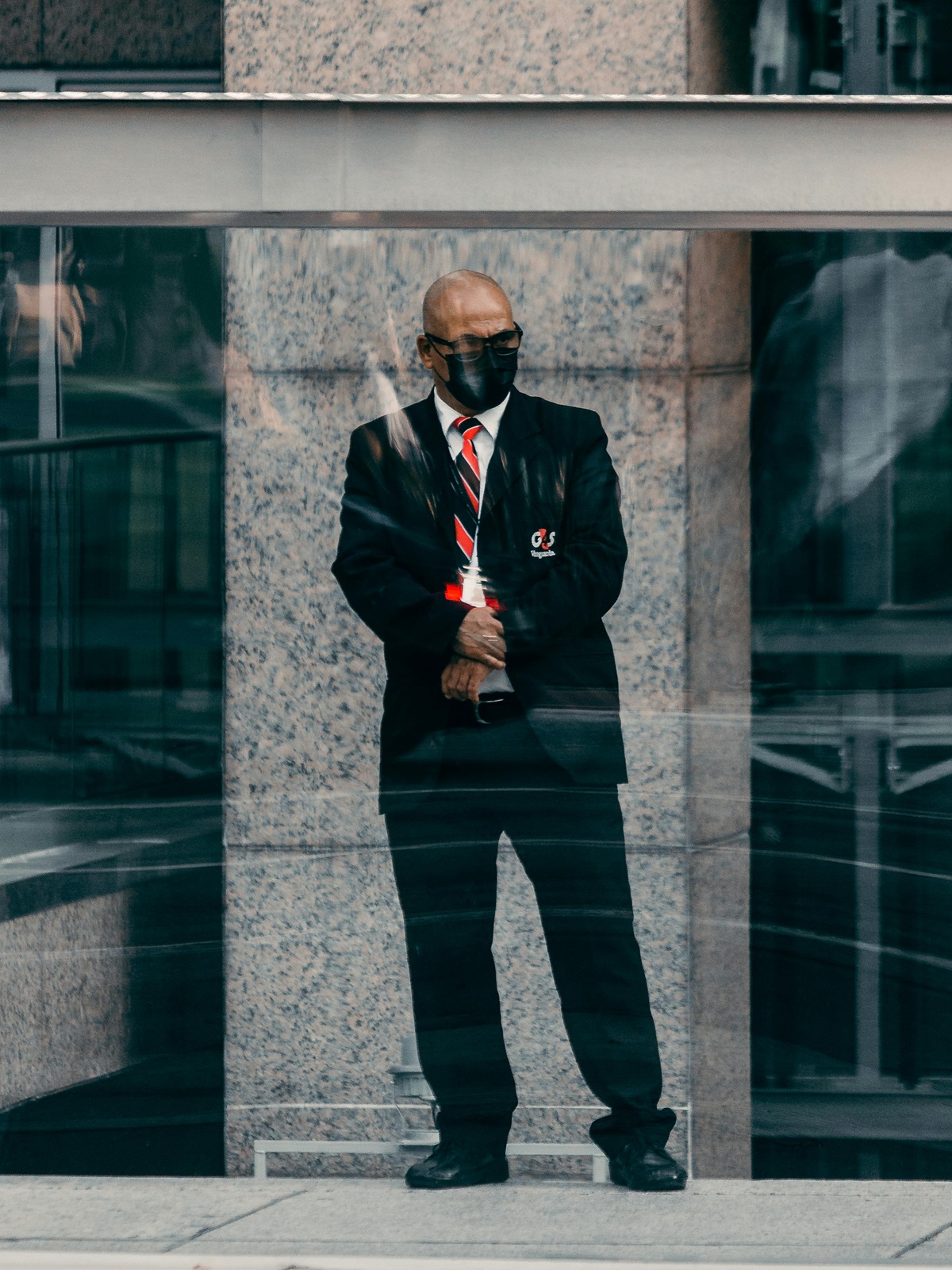
While technology provides powerful tools, human vigilance and judgment remain irreplaceable at shared office entrances. Manned security guards offer a tangible and proactive presence that technology alone cannot fully replicate.
- First Point of Contact: Security guards are often the first point of contact for anyone entering the building. Their visible presence acts as a powerful deterrent to potential threats and helps to create a secure yet welcoming atmosphere. They can provide directions, assist visitors with check-in procedures, and generally present a professional image for the entire building.
- Visitor Vetting and Assistance: Guards can verify identities, issue visitor passes, and ensure that guests are properly escorted or directed. Their training enables them to identify unusual behaviour, challenge unauthorised individuals, and enforce building policies with discretion and authority. They are skilled in de-escalation techniques, which can be vital in managing difficult situations.
- Incident Response: In the event of an emergency, such as a fire, medical incident, or security breach, trained security personnel are crucial for immediate response. They can initiate evacuation procedures, provide first aid, contain threats, and liaise directly with emergency services, ensuring a coordinated and effective response that minimises harm.
- Patrols and Monitoring: Beyond the main entrance, security guards can conduct regular patrols of common areas, ensuring the integrity of the perimeter and identifying any potential vulnerabilities or suspicious items. Their active presence complements electronic surveillance by providing real-time human assessment and intervention.
Fostering a Culture of Shared Responsibility and Continuous Improvement
Ultimately, the security of a shared office entrance is a collective responsibility. All tenants and their employees play a role in maintaining a secure environment.
- Tenant Collaboration: Establish clear communication channels and regular meetings between building management and tenant representatives. This ensures everyone is aware of security protocols, can provide feedback, and collaborates on improvements. Shared ownership of security fosters a stronger, more resilient defence.
- Employee Awareness Training: Educate all employees about security best practices, such as challenging unknown individuals, not holding doors open for strangers, reporting suspicious activity, and understanding emergency procedures. A security-aware workforce is a building's most effective asset against opportunistic crime and internal threats.
- Regular Security Audits and Risk Assessments: Periodically review existing security measures to identify weaknesses and adapt to evolving threats. Professional security audits can offer an impartial assessment and recommendations for improvement, ensuring your security strategy remains robust and relevant.
- Clear Policies and Procedures: Develop and clearly communicate comprehensive security policies for all occupants. These should cover everything from visitor registration to emergency response and should be easily accessible to everyone.
Improving security at shared office entrances requires a multi-layered approach that combines cutting-edge technology, the invaluable presence of professional security personnel, and a proactive culture of shared responsibility. By prioritising these elements, organisations can create a safer, more secure, and productive environment for all occupants. For tailored advice on securing your shared office space, consider consulting with experienced security providers who can assess your specific needs and implement effective, customised solutions.
← Back to Blog