
Residential Block Security: Keeping UK Apartment Dwellers Safe
Residential Block Security: Keeping UK Apartment Dwellers Safe
As urbanisation continues across the United Kingdom, apartment living is becoming an increasingly popular choice for many, offering convenience, community, and often, proximity to city centres. However, with the unique dynamics of multi-occupancy buildings comes a distinct set of security considerations. Ensuring the safety and peace of mind of residents in flats and apartments is paramount, demanding a robust and multi-faceted approach to security that goes beyond mere locks and keys.
Understanding the Unique Challenges of Apartment Blocks
Unlike detached homes, residential blocks present a complex security landscape due to their communal nature and multiple points of access and egress. Effective security for these environments requires a deep understanding of these specific vulnerabilities:
- Multiple Access Points: Beyond the main entrance, blocks often have car park entrances, service doors, delivery points, and sometimes even communal garden gates. Each serves as a potential vulnerability if not properly secured.
- High Footfall: Residents, their visitors, delivery personnel, maintenance contractors, and cleaning staff create constant movement. Distinguishing authorised individuals from potential threats can be challenging without proper systems.
- Communal Areas: Lobbies, corridors, stairwells, lifts, gyms, and shared gardens can become targets for vandalism, anti-social behaviour, or even opportunistic theft if not adequately monitored and maintained.
- Resident Turnover: The transient nature of some apartment living means a constant cycle of new residents, requiring efficient management of access credentials and ensuring old ones are deactivated.
- Protecting Individual Dwellings: While the building's perimeter security is crucial, the security of individual flats within the larger structure must also be considered, often relying on the overall building's measures as a first line of defence.
Foundational Security Measures: The First Line of Defence
A strong security strategy for residential blocks begins with a solid foundation of essential measures. These are the primary deterrents and initial barriers against unauthorised access:
- Advanced Access Control Systems: Moving beyond traditional keys, modern apartment blocks benefit immensely from sophisticated access control. This includes key fob or proximity card systems that can be programmed and revoked instantly, intercom systems (audio and video) allowing residents to visually identify visitors before granting access, and even biometric readers for highly secure areas. Properly managed, these systems ensure that only authorised individuals can enter the building and specific communal areas.
- High-Definition CCTV Surveillance: Strategically placed cameras are invaluable. Covering all entrances, exits, communal areas, car parks, and perimeter fences, CCTV acts as both a deterrent and a vital tool for investigation should an incident occur. Modern systems offer high-resolution footage, night vision, and often smart analytics that can detect unusual activity, providing crucial evidence and enhancing overall situational awareness.
- Robust Physical Security: This includes the fundamental elements: high-quality, reinforced communal entrance doors, secure windows, and durable locks on all communal access points. Perimeter fencing or walls should be intact and well-maintained, discouraging easy access to the property. Clear signage indicating security measures also adds to the deterrent factor.
- Effective Lighting: Well-lit communal areas, entrances, car parks, and pathways are not only crucial for safety but also act as a significant deterrent to criminals, who prefer to operate under the cover of darkness. Sensor-activated lighting in less frequently used areas can also be an energy-efficient solution.
Elevating Security: Beyond the Basics
While foundational measures are critical, comprehensive security often requires layering additional, more advanced solutions to create an impenetrable environment. These elements enhance vigilance and provide immediate responses to potential threats:
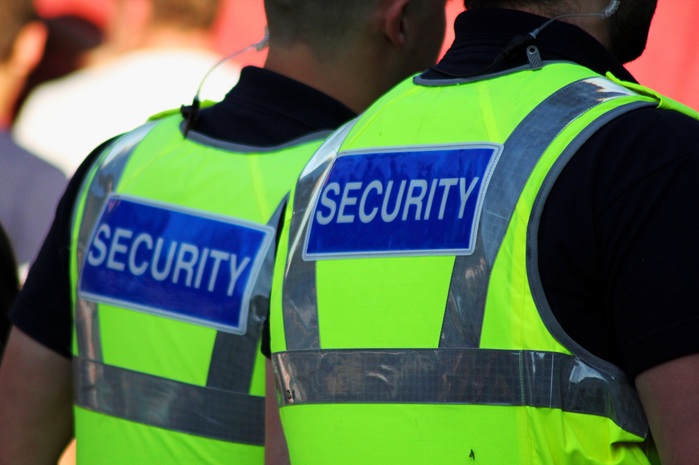
- On-Site Security Personnel or Concierge Services: A visible, human presence offers unparalleled deterrence and response capabilities. Security personnel can monitor CCTV feeds, manage visitor access, conduct regular patrols, respond to alarms, and act as a point of contact for residents, fostering a greater sense of security and community. They can also manage packages and deliveries, reducing opportunities for theft.
- Intruder Alarm Systems for Communal Areas: Installing sophisticated alarm systems in common areas, storage rooms, or car parks provides an immediate alert if a breach occurs. These can be linked to a central monitoring station or directly to on-site security teams, ensuring a rapid response to any unauthorised entry.
- Integrated Security Management Systems: The convergence of various security technologies into a single, cohesive platform allows for seamless management. This means access control, CCTV, and alarm systems can communicate with each other, providing a holistic view of the building's security status and enabling more efficient responses.
- Regular Security Audits and Risk Assessments: The security landscape is constantly evolving. Regular, professional security audits are essential to identify potential vulnerabilities, test existing systems, and recommend upgrades or new strategies. Our experts at [Your Company Name] can provide thorough assessments, tailoring solutions to the specific needs of your residential block. Visit our security blog for more insights into proactive security planning.
The Role of Community and Management
Effective residential block security is not solely the responsibility of technology or security providers; it's a shared commitment. The proactive involvement of both building management and residents is crucial for maintaining a secure environment:
- Building Management's Responsibility: The management team plays a pivotal role in ensuring that all security systems are regularly maintained, serviced, and kept up-to-date. They are also responsible for establishing clear security policies, communicating these to residents, and ensuring rapid response to any reported security concerns or system malfunctions. Regular review of security protocols with residents and security providers is also essential.
- Resident Engagement and Vigilance: Empowering residents to be active participants in their own security is invaluable. This includes encouraging them to always ensure doors close properly, to not prop open communal entrances, to report suspicious individuals or activities immediately, and to be mindful of who they let into the building. A strong, vigilant community is a powerful deterrent.
- Clear Emergency Protocols: Having well-defined and communicated emergency procedures for scenarios such as fire, intrusion, or medical emergencies ensures that everyone knows how to react, minimising panic and facilitating swift, effective responses from both residents and emergency services.
Keeping UK apartment dwellers safe requires a comprehensive, multi-layered approach to security. By combining robust physical measures with advanced technology, professional personnel, and strong community engagement, residential block managers can create environments where residents feel genuinely secure and at peace. Investing in a tailored security solution not only protects assets but, more importantly, safeguards the well-being and quality of life for all who call these buildings home.
If you are a property manager, resident association, or developer looking to enhance the security of a residential block, we invite you to contact us for a professional consultation. Discover how our bespoke security strategies can bring unmatched protection and reassurance to your building. Visit our website to learn more about our services.
← Back to Blog