
Securing UK Healthcare Facilities: Protecting Patients and Assets
Securing UK Healthcare Facilities: Protecting Patients and Assets
UK healthcare facilities are vital pillars of our communities, providing essential care and support. However, their open, welcoming environments, coupled with the presence of vulnerable individuals, valuable equipment, and sensitive data, present unique and complex security challenges. Ensuring the safety of patients, staff, and visitors, whilst safeguarding critical assets, is paramount and requires a strategic, multi-faceted approach.
Understanding the Unique Security Landscape of Healthcare
The security requirements for a hospital, clinic, or care home differ significantly from a typical corporate office or retail environment. Healthcare facilities must balance an ethos of accessibility and compassion with the imperative to maintain a secure environment. This creates a delicate equilibrium where security measures must be effective yet unobtrusive, designed to protect without causing undue stress or alarm to those seeking care.
- Vulnerable Populations: Patients, particularly those in emergency departments, psychiatric units, or paediatric wards, may be disorientated, distressed, or unable to fully advocate for themselves. This vulnerability can attract opportunists or individuals with malicious intent.
- High-Value Assets: From cutting-edge medical equipment and diagnostic tools to pharmaceutical supplies and sensitive patient records, healthcare facilities house significant assets that are attractive targets for theft or misuse.
- Open Access and Multiple Entry Points: Hospitals often operate 24/7 with a constant flow of patients, visitors, staff, and contractors. This open-door policy, coupled with numerous entrances and exits, makes stringent access control a continuous challenge.
- Busy and Stressful Environments: The fast-paced nature of healthcare, especially in emergency situations, can create distractions that criminals may exploit. Security personnel must be able to operate effectively within these high-pressure settings.
- Internal and External Threats: Threats can range from opportunistic theft and unauthorised access to aggressive behaviour, violence against staff, and organised crime targeting specific drugs or equipment.
A Multi-Layered Approach to Physical Security
Effective healthcare security relies on a comprehensive, layered strategy that addresses both external and internal threats. This begins at the perimeter and extends to the most sensitive areas within the facility.
Perimeter Security: Establishing clear boundaries is the first line of defence. While ornate fencing might be impractical for main entrances, robust perimeter solutions can include secure gating for staff car parks, delivery bays, and less-frequented entrances. Well-lit pathways, strategically placed bollards, and clear signage all contribute to a secure external environment.
Access Control Systems: Managing who can enter and exit specific areas is critical. This involves more than just locking doors. Advanced access control systems utilising key cards, biometrics, or even mobile credentials can restrict entry to authorised personnel only for areas like pharmacies, operating theatres, data centres, and staff-only zones. Visitor management systems, requiring sign-in and the issuance of temporary passes, help track individuals and enhance accountability. Integration with staff rotas ensures that access privileges are current and accurate.
CCTV Surveillance: A well-designed CCTV system acts as both a deterrent and a crucial investigative tool. High-definition cameras placed at all entry/exit points, corridors, waiting areas, car parks, and sensitive storage zones provide comprehensive coverage. Modern systems often include advanced analytics, capable of detecting loitering, abandoned packages, or unusual activity, alerting security personnel in real-time. Continuous monitoring, either on-site or remotely, maximises the effectiveness of surveillance.
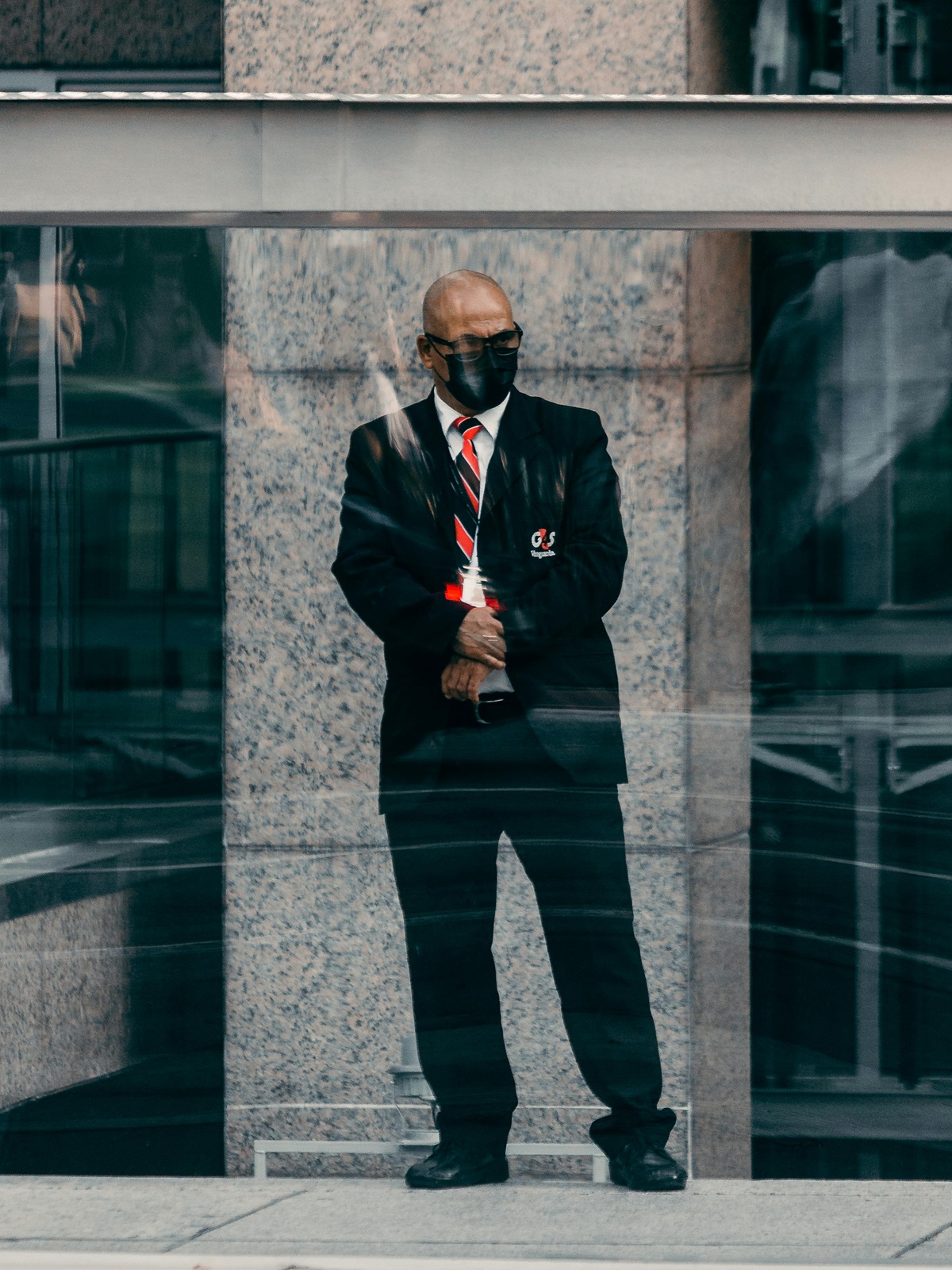
On-Site Security Personnel: Perhaps the most crucial layer is the presence of professional security officers. They provide a visible deterrent, a rapid response capability to incidents, and a calming presence during stressful situations. Beyond surveillance, they are often the first point of contact for visitors, offering directions, assisting vulnerable individuals, and managing crowds. Their training extends to de-escalation techniques, first aid, and fire safety, making them integral to the overall safety and operational efficiency of the facility.
Integrating Technology for Enhanced Protection
Modern security relies heavily on the intelligent integration of various technologies. A standalone CCTV system or an alarm panel offers limited protection; their true power emerges when they work in concert as part of a unified security management platform.
- Advanced Intruder Alarms: State-of-the-art alarm systems can be tailored to specific areas, with motion sensors, door contacts, and glass-break detectors providing immediate alerts to unauthorised entry. These can be monitored centrally and linked to a rapid response team.
- Intercom and Emergency Call Points: Strategically placed intercoms allow visitors to communicate with reception or security before gaining access, enhancing control at entry points. Emergency call points, particularly in isolated areas or car parks, offer a direct line to security in distress situations.
- Lone Worker Protection: For staff working alone, especially at night or in remote areas of a large facility, lone worker devices or apps can provide a vital lifeline, allowing them to discreetly call for assistance if they feel threatened or experience an incident.
- Visitor and Contractor Management Systems: Digital systems streamline the process of visitor registration, printing temporary badges, and maintaining an accurate log of everyone on site. This enhances traceability and compliance with health and safety regulations.
- Building Management System (BMS) Integration: Tying security systems into a facility's BMS allows for centralised control and automated responses, such as locking down specific zones in an emergency or automatically adjusting lighting based on activity.
Such technological advancements, when implemented thoughtfully, can significantly bolster security measures, providing enhanced visibility, faster response times, and more efficient management of potential threats. To learn more about how technology can augment your security strategy, we invite you to explore our security blog.
The Human Element: Professional Security Personnel
While technology provides powerful tools, the human element remains irreplaceable in healthcare security. Professional security officers do more than just monitor screens; they are active, engaged components of the care environment.
- Conflict Resolution and De-escalation: Healthcare settings can be emotionally charged. Trained security personnel possess the skills to calm tense situations, de-escalate aggressive behaviour, and manage challenging individuals with professionalism and empathy, preventing incidents from escalating.
- Compassionate and Discreet Presence: A good security officer understands the sensitive nature of a healthcare environment. They are visible enough to deter but discreet enough not to cause distress. Their approach is often one of helpfulness and reassurance, rather than overt policing.
- Emergency Response: Security teams are often the first responders to internal emergencies, whether it's a medical incident, a fire alarm, or a security breach. Their training in first aid, fire marshalling, and evacuation procedures is invaluable.
- Site-Specific Knowledge: Effective security guards are intimately familiar with the facility's layout, its unique protocols, key personnel, and potential vulnerabilities. This allows them to act decisively and efficiently in any situation.
- Customer Service: In many cases, security officers are the first point of contact for patients and visitors. Their ability to provide clear directions, answer questions, and offer assistance contributes significantly to a positive experience for all.
Partnering with a reputable security services provider ensures that your facility benefits from highly trained, vetted, and experienced officers who understand the specific demands of the healthcare sector.
Protecting UK healthcare facilities is a complex but essential undertaking. It requires a holistic, proactive, and adaptable security strategy that blends advanced technology with skilled, professional personnel. By prioritising patient safety, asset protection, and staff well-being through robust security measures, healthcare providers can continue to focus on their core mission: delivering outstanding care. Investing in a comprehensive security programme is not merely an expense, but an investment in the safety, reputation, and continued operation of these vital institutions.
← Back to Blog